
Why the Transformer Shortage Affects Your Residential Solar Savings
Global supply chain issues and federal deadlines for critical grid equipment are causing delays. Learn how the transformer shortage impacts residential solar projects and how to secure your savings now.
Craig Stratton
Founder & CEO, ProsperShield
The Unseen Crisis: How Global Supply Chain Headwinds Impact Your Home Solar Dreams
If you’re a homeowner considering making the switch to solar energy, you’re likely focused on maximizing savings, achieving energy independence, and enjoying the generous federal tax credits available. You’re thinking about panels, batteries, and your new, lower utility bill.
But there’s a quiet, complex crisis brewing behind the scenes that impacts every single solar installation—including yours: the transformer shortage.
While high-voltage transformers are typically associated with massive utility-scale projects, the widespread procurement bottleneck for this essential equipment is slowing down grid upgrades, delaying utility interconnection approvals, and potentially increasing the long-term cost of electricity for everyone.
At ProsperShield, we believe homeowners deserve complete transparency about the factors affecting the energy market. We navigate these industry headwinds daily across the 42 states we serve, ensuring our 24,000+ customers get their installations completed efficiently and reliably.
This guide breaks down what the transformer crisis is, how it directly affects your residential solar journey, and the proactive steps you can take right now to secure your savings and energy future before these delays hit your neighborhood.
Understanding the Invisible Hero: Why Transformers Matter
Think of a transformer as the gatekeeper of electricity. It steps electricity up (for long-distance transmission) or steps it down (to make it safe and usable for your home). Every time power moves from a power plant, a solar farm, or even your rooftop panels back to the grid, a transformer is involved.
When you install residential solar, the utility company must approve your system for interconnection—the process of safely connecting your panels to the existing electrical distribution network. If your neighborhood’s local distribution transformers are old, at capacity, or need upgrading to handle the new influx of solar power, the utility must procure new equipment.
And that’s where the problem starts.
The Perfect Storm: Causes of the Shortage
The transformer shortage isn't due to a single failure; it's a confluence of global issues that have created staggering backlogs. The National Renewable Energy Lab (NREL) and industry analysts point to several major drivers:
- Raw Material Scarcity: Key components, especially specialized steel (grain-oriented electrical steel) and copper, have seen massive price spikes and supply constraints since the pandemic.
- Manufacturing Backlogs: Factories struggled to keep up with demand during and after the pandemic, leading to multi-year queues for custom-built equipment.
- Increased Demand: The massive push for renewable energy (solar farms, wind projects, battery storage facilities) and the simultaneous modernization of the aging U.S. electrical grid have skyrocketed demand far beyond manufacturing capacity.
- Regulatory Hurdles (FEOC): New federal regulations regarding Foreign Entities of Concern (FEOC) are tightening deadlines for developers who rely on imported equipment, forcing a sudden, competitive rush for domestically sourced transformers. This pressure on the B2B market trickles down, making any transformer procurement difficult and expensive.
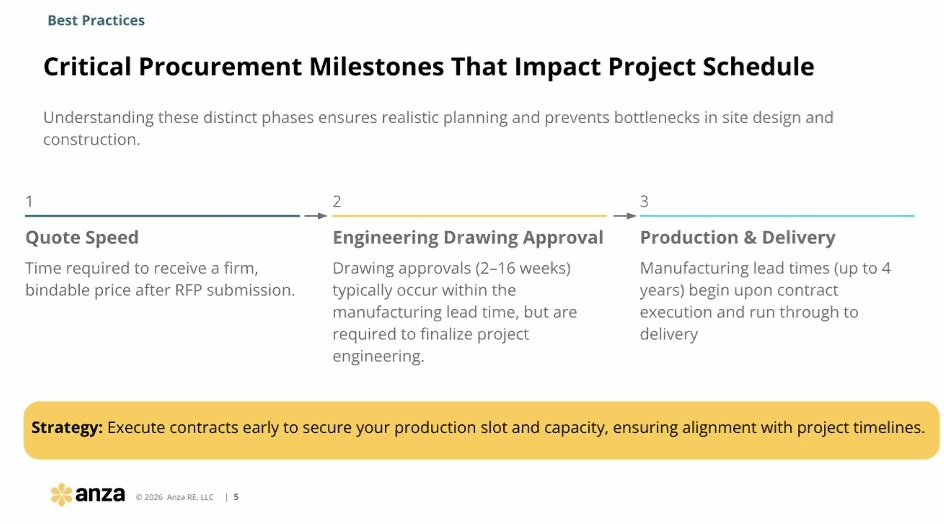
The result? What used to take a few months to procure can now take 18 to 20 months, according to industry experts. For homeowners, this means potential delays in utility interconnection approvals, which can stall your project even if your panels and batteries are ready to go.
The Direct Impact on Residential Solar Homeowners
While ProsperShield manages the logistics of your rooftop installation expertly, we cannot control the utility’s speed in upgrading its local infrastructure. The transformer shortage creates three critical risks for homeowners:
1. Interconnection Delays
If your local grid infrastructure requires an upgrade to accommodate your new solar system, the utility must order a new distribution transformer. If they are stuck in a procurement queue stretching over a year, your Permission to Operate (PTO) could be significantly delayed. This means your system sits idle, and you continue paying full retail electricity rates while waiting.
2. Rising Costs and Fees
As demand outstrips supply, the cost of transformers increases. Utilities may eventually pass these costs onto consumers through higher connection fees, system impact fees, or general rate increases. By securing your solar installation now, you lock in your pricing and minimize exposure to future utility-imposed surcharges related to infrastructure scarcity.
3. Missing Out on Financial Incentives
The federal Solar Investment Tax Credit (ITC) currently offers up to a 30% tax credit on the total cost of your solar installation. While the ITC is currently stable, industry deadlines for large-scale projects (like the FEOC requirements) create uncertainty and urgency throughout the market. If widespread delays cause you to push your installation timeline into a future year where incentives might be reduced or changed, you risk losing substantial savings.
The takeaway: The time to act is when the market faces constraints. Securing your project now minimizes your exposure to future price hikes and delays.
ProsperShield’s Strategy: Insulating Homeowners from Supply Chain Chaos
ProsperShield is an expert in navigating complex procurement environments. Because we handle everything from solar and battery installation to roofing and insulation across 42 states, we have established robust, diversified supply chains and strong relationships with manufacturers. We work hard to ensure that while the industry faces constraints, our homeowners experience minimal disruption.
1. Prioritizing Residential Inventory and Speed
Unlike large developers who are competing for massive utility transformers, ProsperShield focuses on the residential market. We maintain strategic inventory levels of solar panels, inverters, and battery systems, allowing us to move quickly once permits are secured. We don't wait for the market to catch up—we secure the necessary components ahead of time.
2. Integrating Battery Storage for True Resilience
If the utility interconnection process is slowed down by a transformer bottleneck, having a home battery storage solution like the Tesla Powerwall or Generac PWRcell becomes even more valuable.
Batteries provide:
- Grid Independence: They allow you to store excess solar power and use it later, insulating you from grid instability and potential outages caused by strained infrastructure.
- Optimized Self-Consumption: You maximize the use of the energy you produce, reducing reliance on the potentially strained local distribution network.
If you want to move forward with energy independence while the grid struggles to upgrade, battery storage is your best defense.
Ready to see how fast ProsperShield can get your system installed? We specialize in efficient, end-to-end service, handling all permitting and interconnection paperwork. Schedule a free consultation with one of our energy experts today.
3. Comprehensive Home Energy Audits (Beyond the Panels)
One of the best ways to mitigate the impact of external grid issues is to reduce your home’s overall energy demand. When you use less energy, you put less strain on the local distribution transformer, and you need less power from the grid overall.
ProsperShield offers a suite of home improvement services designed to maximize efficiency and resilience:
- High-Efficiency HVAC Systems: Replacing an old HVAC unit can cut heating and cooling costs by 20% to 40% immediately.
- Advanced Insulation: Proper insulation keeps conditioned air in, drastically reducing the load on your HVAC system and, consequently, your electricity consumption.
- New Roofing: A cool roof or properly ventilated roof reduces heat transfer, leading to lower air conditioning needs and protecting your solar investment.
By bundling solar with energy efficiency upgrades, you not only maximize your utility savings but also help lighten the load on your local grid infrastructure, making your interconnection process smoother.
Actionable Advice: Securing Your Solar Future Now
The current industry environment—marked by supply chain scarcity and regulatory pressure—demands proactive action from homeowners. Waiting until the shortages fully manifest at the residential level means risking longer lead times and higher prices.
Here are the steps you should take immediately to protect your investment:
1. Act Swiftly on Quotes and Contracts
If you are serious about going solar in the next 12-18 months, start the consultation process now. Industry experts are advising that developers need to have contracts in place by the end of Q1 2025 to reliably meet certain safe harbor deadlines. While residential projects are different, the underlying pressure on procurement means that installers who secure their inventory first will serve their customers first.
ProsperShield can help you lock in current pricing and initiate the permitting process, securing your place in the installation queue before local utility interconnection backlogs worsen.
2. Prioritize Energy Efficiency First
Before sizing your solar array, invest in efficiency. If you reduce your energy consumption by 25% through better insulation or a new HVAC system, you need a smaller, less expensive solar system. This reduces the complexity of your utility interconnection application and lessens the potential strain on the local distribution transformer.
3. Explore Financing Options That Account for Delays
Work with an installer that offers flexible financing. ProsperShield provides tailored financing solutions that allow you to start saving immediately. Understanding how your financing is structured, especially if there are unexpected utility delays, is crucial for peace of mind.
4. Ask About Interconnection Experience
Choose an installer with deep experience navigating utility processes in your specific region. ProsperShield operates in 42 US states, giving us unparalleled insight into local utility requirements, common bottlenecks, and the fastest pathways to PTO. We’ve managed over 24,000 installations, meaning we know exactly who to call and what paperwork is needed.
Don't let market uncertainty delay your savings. Find out exactly how much you can save with a customized solar and efficiency plan. Calculate your savings instantly or call us directly at 877-317-9079.
The Big Picture: Building a Resilient Energy Future
The transformer shortage is a stark reminder that our electrical grid is a complex, aging system under immense pressure. As a homeowner, you have the power to mitigate these risks by taking control of your energy production and consumption.
By installing solar and battery storage, you are not just saving money; you are contributing to local grid stability and protecting your home from the vulnerabilities exposed by these global supply chain issues.
Statistics That Demand Action:
- Aging Infrastructure: The average age of U.S. power transformers exceeds 40 years, far past the intended lifespan, meaning replacement demand is already high, regardless of solar growth.
- Global Reliance: Historically, imports accounted for an estimated 80% of the U.S. power transformer supply (Wood Mackenzie data). Regulatory shifts demanding domestic sourcing intensify the immediate crunch.
- ROI Protection: Acting quickly ensures you maximize the 30% federal ITC before potential future changes or reductions occur due to policy shifts or expiration.
ProsperShield is your partner in achieving true energy independence. We handle the complexity of the industry—the supply chain monitoring, the interconnection paperwork, and the installation of high-quality, reliable equipment—so you can focus on enjoying lower bills and a more sustainable home.
Don’t wait for the transformer shortage to hit your local utility queue. Secure your project timeline and maximize your savings today.
Explore our solar services and discover why over 24,000 homeowners trust ProsperShield to deliver dependable energy solutions.
Frequently Asked Questions (FAQ)
Q: Will the transformer shortage prevent me from getting solar panels?
A: No, it won't prevent you, but it can cause delays. The shortage mainly impacts the utility company's ability to upgrade local distribution transformers needed for interconnection. ProsperShield works proactively to manage this risk by using efficient processes and offering battery storage solutions that reduce dependence on immediate grid upgrades.
Q: Does ProsperShield have transformer inventory?
A: ProsperShield focuses on procuring residential-scale components (panels, inverters, batteries) and managing the installation process. The primary bottleneck is the utility's procurement of distribution transformers, which is outside of any installer's direct control. However, our expertise in utility coordination minimizes bureaucratic delays, and our bundled services (HVAC, insulation) reduce your required energy load, often simplifying interconnection requirements.
Q: How long does the interconnection process usually take?
A: The interconnection timeline varies significantly by utility and state. In normal circumstances, it can take anywhere from a few weeks to several months after installation is complete. Due to the current supply chain pressures, experts anticipate these timelines may stretch longer, making it even more critical to start the process as soon as possible. Contact us to learn about typical timelines in your area.
Q: Is the federal Solar Tax Credit (ITC) affected by these shortages?
A: The value of the ITC (30%) is currently stable. However, if supply chain issues or utility delays cause your project to be pushed into a future year where the credit might be lowered or phased out (a scenario that is always possible with changing federal policy), your savings would be reduced. Acting promptly helps ensure you lock in the current, maximum credit.
Topics
Ready to Go Solar?
Get a free consultation and see how much you could save with ProsperShield solar.