
Navigating the Solar Supply Chain Bottleneck: Timelines & Stability
Is the transformer shortage delaying your solar installation? Learn how supply chain issues impact homeowners and discover actionable steps to secure your timeline and investment.
ProsperShield Team
Solar Energy Experts
The Hidden Challenge: Why Solar Supply Chain Stability Matters to Your Home
Starting your journey toward solar energy is exciting. You’ve envisioned lower bills, energy independence, and a smaller carbon footprint. But as you move from dream to installation, you might hear whispers about a challenge that few homeowners anticipate: the solar supply chain bottleneck.
While the focus is often on the panels themselves, the true pinch point in today’s renewable energy sector involves components you might never see—specifically, electrical transformers and crucial equipment needed to connect your system safely and efficiently to the local power grid. If your installer can't reliably source these components, your installation timeline could stretch from weeks to months.
At ProsperShield, we understand that reliability and transparency are paramount. Serving homeowners across 42 US states and backed by over 24,000 successful installations, we navigate these industry complexities daily so you don't have to. We believe an educated homeowner is an empowered homeowner. This deep dive will explain why global supply issues are affecting local solar projects and, more importantly, what you can do right now to ensure a smooth, timely installation.
The Invisible Crisis: Understanding the Transformer Shortage
The transformer—a device essential for changing voltage levels—is the unsung hero of the electrical grid. Every time electricity moves from a power plant to your neighborhood, or from your new solar panels into the utility lines, a transformer is involved. And right now, the industry is facing a severe shortage.
This isn't just a minor delay; it's a systemic challenge driven by several factors that have coalesced over the past few years:
1. Exploding Demand and Aging Infrastructure
The demand for electricity is surging due to population growth, electrification (especially electric vehicles), and the massive expansion of renewable energy projects. Simultaneously, the U.S. electrical infrastructure is aging, requiring massive replacement and upgrades. According to a 2024 report by the National Renewable Energy Lab (NREL), this simultaneous push for new construction and necessary replacement has put unprecedented strain on manufacturers.
2. Raw Material and Labor Constraints
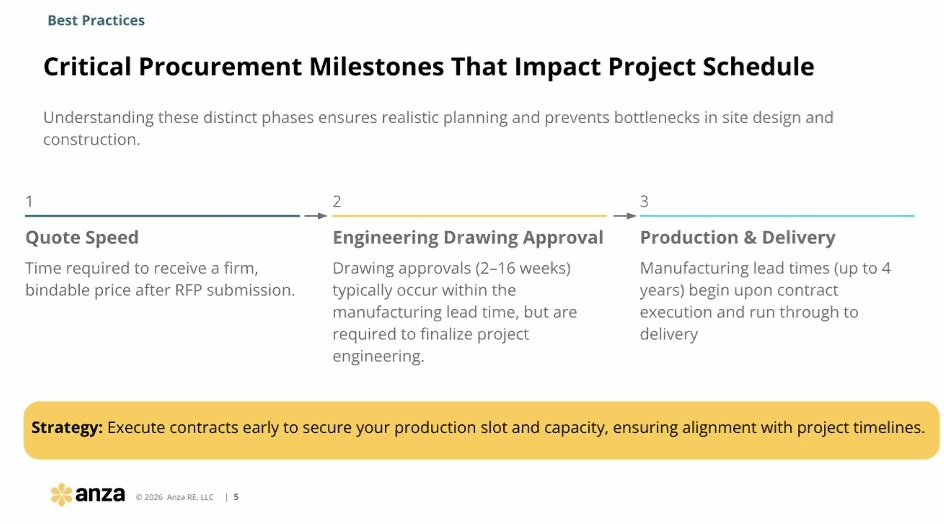
Transformers rely heavily on specific materials like high-grade electrical steel, copper, and specialized oils. Global events, pandemic-related shutdowns, and geopolitical tensions have led to volatile pricing and severe shortages of these core components. Manufacturing lead times for necessary transformer equipment have reportedly stretched from a few months to well over a year in some cases.
3. Geopolitical Sourcing Shifts and New Regulations
Perhaps the most pressing recent challenge involves new federal compliance requirements aimed at strengthening domestic manufacturing and ensuring equipment security. These regulations create strict sourcing guidelines, forcing developers and installers to pivot quickly away from equipment manufactured by certain Foreign Entities of Concern (FEOC).
While these regulations are vital for national energy security, they immediately limit the pool of available suppliers. Installers must now quickly secure equipment from compliant sources, often domestic or allied suppliers, placing even more pressure on an already strained domestic manufacturing base.
The bottom line for homeowners: If an installer doesn't have established relationships and robust procurement strategies, they will struggle to secure compliant, high-quality components, leading directly to installation delays for your home system.
How Supply Chain Issues Impact Your Residential Solar Installation Timeline
It might seem like a utility-scale problem, but the shortage of transformers and compliant components ripples directly down to the residential level, often manifesting in the interconnection process.
Grid Interconnection Delays
When you install solar panels, your system must be approved and connected to the local utility grid. This process often requires the utility to assess the local infrastructure, sometimes necessitating the installation of a new or upgraded distribution transformer near your home or neighborhood. If the utility cannot procure this equipment due to the shortage, your interconnection—and therefore your ability to flip the switch and start saving—is put on hold.
Installer Reliability and Project Risk
Small, less-established solar companies often rely on spot market purchases or have weak relationships with Tier 1 suppliers. When equipment is scarce, these companies are the first to lose out, leaving their customers in limbo. A large, reputable company like ProsperShield, which manages procurement for thousands of projects across 42 states, has the purchasing power and established supplier contracts necessary to secure essential components, even during tight market conditions.
The Need for Speed: Tax Credit Deadlines
Federal incentives, like the Investment Tax Credit (ITC), are a massive driver of solar adoption. However, these credits are often tied to specific timelines and compliance requirements. Delays caused by supply chain issues can potentially jeopardize a homeowner's ability to claim the full tax benefit, especially if the project crosses critical compliance deadlines.
If you are considering solar, the time to act is now. Delays are becoming more common, and securing your place in the installation queue with an installer who has secured supply is crucial. Calculate your savings and see how quickly solar can start working for you.
Actionable Strategies: Protecting Your Solar Investment and Timeline
Facing a complex supply chain doesn't mean you have to abandon your solar dreams. It simply means you need to be a smarter consumer and choose a partner that prioritizes stability and quality. Here are four essential steps homeowners should take now:
1. Vet Your Installer’s Supply Chain Resilience
When interviewing solar companies, don't just ask about panel prices. Ask about their procurement strategy and supplier relationships. A strong installer should demonstrate:
- Long-Term Supplier Contracts: Do they have guaranteed supply lines with Tier 1 manufacturers, or are they buying components on the open market? Established contracts ensure equipment availability and often lock in better pricing.
- Compliance Expertise: Can they guarantee that the components (panels, inverters, and associated electrical gear) meet all current U.S. sourcing regulations? This is critical for avoiding future complications and ensuring eligibility for federal incentives.
- Scale and Stability: Companies with high volume, like ProsperShield (24,000+ installations), command attention from suppliers. Our stability translates directly into priority access to scarce equipment.
2. Demand Transparency on Equipment Sourcing
Insist on knowing the brand and origin of all major components, including panels and inverters. High-quality, bankable brands tend to have more resilient supply chains and better long-term warranties.
- Look for Proven Performance: We prioritize components known for reliability and compliance, minimizing the risk of sourcing issues delaying your project.
- Inquire About Domestic Options: While not always required, ask if your installer utilizes domestically sourced components where possible, as this further insulates your project from international supply shocks.
3. Consider Battery Storage for Enhanced Resilience
While the transformer shortage primarily affects grid connection, the best way to gain true energy independence is through battery storage. Adding a solar battery (like the Tesla Powerwall or similar systems) allows you to store excess energy generated during the day.
Benefits of Battery Storage During Grid Uncertainty:
- Backup Power: Protects your home during utility outages, regardless of grid transformer issues.
- Peak Shaving: Reduces reliance on the grid when electricity rates are highest.
- Future-Proofing: Positions your home optimally for future changes in utility rate structures.
Integrating battery storage alongside solar installation is one of ProsperShield’s core competencies. It's a smart investment that provides immediate value and long-term peace of mind. Schedule a free consultation today to discuss a comprehensive solar + storage solution tailored for your home.
4. Optimize Your Entire Home for Efficiency
Energy resilience isn't just about generation; it's about consumption. By addressing other major energy consumers in your home, you reduce the overall size and complexity of the solar system you need, potentially simplifying permitting and component requirements.
ProsperShield offers a holistic approach to home improvement, addressing the entire energy envelope:
| Service | Impact on Energy Resilience |
|---|---|
| HVAC Upgrades | Modern, high-efficiency heat pumps significantly cut heating/cooling electrical usage (often 50% of home energy). |
| Insulation & Air Sealing | Reduces the energy needed to maintain comfortable temperatures, lowering the required output from your solar system. |
| Roofing | Ensures a structurally sound, warrantied platform for your panels, preventing future delays or repairs. |
By bundling solar with energy-efficient upgrades, you maximize your savings, minimize your risk of delays, and achieve true energy independence faster. Explore our solar services and discover how we can optimize your home.
The ProsperShield Advantage: Stability in a Volatile Market
In an industry grappling with unprecedented supply challenges and complex regulatory shifts, choosing an installer with proven stability is your best defense against delays and hidden costs. ProsperShield is built on a foundation of scale, expertise, and commitment to the homeowner.
Experience That Translates to Reliability
With over 24,000 installations completed across 42 US states, our experience isn't just a number—it’s a testament to our operational excellence and robust supply chain management. We don't wait for equipment; we secure it.
Navigating Compliance for Your Protection
We proactively track evolving federal regulations, including complex sourcing rules, ensuring that every component used in your installation is compliant, high-quality, and eligible for the incentives you deserve. Our commitment to compliance means your project is built right the first time, avoiding costly and time-consuming rework.
Seamless, End-to-End Service
From the initial consultation and custom system design to navigating permitting, securing necessary equipment (including those hard-to-find components), and providing expert installation, ProsperShield manages the entire process. This integrated approach minimizes communication gaps and accelerates timelines, mitigating the impact of industry-wide bottlenecks.
Time is Ticking: Why Acting Now is Key to Maximizing Savings
While we work diligently to mitigate supply chain risks, the reality is that lead times for essential components remain extended across the industry. Furthermore, federal tax incentives, while strong now, are subject to change and have specific deadlines.
Delaying your decision only increases the risk of longer wait times and potential price increases as material and labor costs fluctuate. By starting the conversation now, you secure your place in the queue and lock in current pricing and incentives.
We encourage you to take the first step toward energy independence today. Our experts are ready to provide a detailed, customized analysis of your home’s energy needs, factoring in local incentives and current supply availability.
Call us directly to speak with an energy specialist about your project and our resilient supply strategy. Call us at 877-317-9079 or visit our site to learn more about our commitment to quality and timeline adherence at prospershield.io.
Frequently Asked Questions About Solar Supply Chains
Q: Does the transformer shortage delay all residential solar projects?
A: Not necessarily, but it increases the risk of delays, particularly in areas where the local utility needs to upgrade infrastructure to accommodate new solar capacity. A reliable installer will identify these risks early in the permitting process and plan accordingly. Choosing an installer like ProsperShield with extensive experience in utility coordination across 42 states minimizes this specific risk.
Q: Are solar panels themselves affected by these sourcing issues?
A: Yes, but to a lesser extent than transformers and complex electrical gear. Solar panel manufacturing has diversified, but new compliance rules regarding components sourced from certain countries are tightening the available pool of compliant, high-quality Tier 1 panels. This is why vetting your installer’s equipment sourcing is vital.
Q: How can ProsperShield guarantee my project won't be delayed?
A: While no company can guarantee immunity from global supply shocks or utility delays, ProsperShield actively mitigates risk through:
- Bulk Purchasing Power: Securing large contracts with Tier 1 suppliers guarantees our access to high-demand components.
- Strategic Inventory Management: We maintain strategic inventory levels for critical, long-lead-time items.
- Proactive Planning: Our project management team begins the interconnection and permitting process immediately, anticipating potential utility requirements, including transformer needs, before they become a bottleneck.
Q: If I install battery storage, does that bypass the grid connection issues?
A: Battery storage (such as a system from ProsperShield) significantly improves your energy resilience during outages and reduces your reliance on the grid during peak times. However, for a standard grid-tied solar system to operate legally and effectively, it still requires utility approval and proper interconnection equipment, which may still involve the utility's transformer supply chain. The battery acts as crucial insurance and resilience, but it doesn't eliminate the need for a functioning grid connection.
Q: How do I get started with ProsperShield?
A: It’s simple! Visit our booking page to Schedule a free consultation. We’ll assess your home, discuss your energy goals, and provide a clear, transparent plan for your solar installation, battery storage, and any necessary home efficiency upgrades. Don't let supply chain uncertainty stop you from achieving energy independence.
Topics
Ready to Go Solar?
Get a free consultation and see how much you could save with ProsperShield solar.