
Transformer Shortages: What Homeowners Need to Know About Solar Delays
A hidden bottleneck—the transformer shortage—is impacting solar installation timelines and costs across the US. Learn why this is happening and how ProsperShield helps homeowners stay ahead.
Craig Stratton
Founder & CEO, ProsperShield
Transformer Shortages: What Homeowners Need to Know About Solar Installation Delays
If you’ve been considering going solar—and with energy prices soaring, who hasn't?—you're looking for energy independence, lower bills, and a robust, reliable system. But there's a hidden, complex challenge in the energy industry that is currently impacting installation timelines and overall grid stability: the distribution transformer shortage.
While this sounds like a technical problem reserved for utility companies and large solar farms, it directly affects homeowners like you. The availability of these crucial components can dictate how quickly your system receives Permission to Operate (PTO) and, ultimately, how soon you start saving money.
At ProsperShield, we operate across 42 states, managing complex supply chains and regulatory hurdles daily. We want to pull back the curtain on this issue, explain why it matters, and show you the proactive steps we take to ensure your journey to solar energy is as smooth and timely as possible.
Ready to navigate the energy landscape with confidence? Let’s dive into the critical components that keep the lights on and the solar grid running.
Understanding the Unsung Hero: What is a Distribution Transformer?
Before we discuss the shortage, let's clarify the role of the transformer. Think of electricity like water flowing through pipes. It starts at the power plant (or your solar panels) at a very high pressure (high voltage). This high voltage is necessary for efficient long-distance transmission.
However, that high pressure would blow out the plumbing in your house. The transformer’s job is to sit on a utility pole or a pad outside your neighborhood and act as a regulator, stepping the high voltage down to a safe, usable voltage (typically 120V or 240V) for your home.
The Solar Connection
When you install solar panels, you are essentially creating a mini power plant. When your system produces more energy than your home consumes, that excess power is sent back to the grid. To ensure this power is safely integrated and measured, the grid infrastructure—including the local distribution transformer—must be capable of handling the two-way flow of energy.
In some cases, especially in areas with high solar saturation or older infrastructure, the utility must upgrade the existing transformer or install a new one to accommodate your solar system. This is where the bottleneck hits the homeowner. If the utility can't source the necessary transformer, your PTO is delayed, sometimes by months.
The Perfect Storm: Why the Supply Chain is Broken
For several years, the entire solar industry—from large utility developers to residential installers—has faced severe challenges in procuring essential equipment. The distribution transformer shortage is not due to a single failure but a convergence of global events and policy shifts.
1. Raw Material Scarcity and Price Spikes
The core of a transformer relies heavily on materials like electrical steel, copper, and specialized insulation oils. According to reports from the National Renewable Energy Lab (NREL), shortages and price spikes in these raw materials have been a major driver of the crisis since 2020.
- Steel: The specialized grain-oriented electrical steel (GOES) required for efficient transformers is notoriously difficult to source, with limited global manufacturing capacity.
- Copper: Global demand for copper, driven by the overall electrification movement (EVs, renewable energy), has pushed prices higher and supply tighter.
2. Pandemic Backlogs and Labor Constraints
The ripple effects of the COVID-19 pandemic—including factory shutdowns, shipping chaos, and labor shortages—created massive backlogs that manufacturers are still struggling to clear. Manufacturing a transformer is a complex, customized process, not a quick assembly line, making it hard to ramp up production quickly.
3. Geopolitical Tensions and Import Reliance
The U.S. has historically relied heavily on foreign manufacturing for these components. Data from Wood Mackenzie indicates that imports have accounted for a significant portion of the U.S. power and distribution transformer supply. Recent geopolitical tensions and the push for greater domestic security have complicated these import channels.
4. New Federal Policy: The FEOC Rules
Perhaps the most pressing current challenge for the industry is the implementation of new federal policy concerning Foreign Entities of Concern (FEOC). These rules, while designed to bolster national security and promote domestic manufacturing, place strict deadlines on the use of equipment sourced from certain foreign entities to qualify for federal incentives like the Investment Tax Credit (ITC).
For solar developers and manufacturers, this means a frenetic scramble to prove the origin of every component—from the solar panels to the inverters and, yes, the transformers. If a project contains FEOC-related equipment, physical construction must be accelerated to meet tight safe harbor deadlines, putting immense pressure on the already strained domestic supply chain.
The Homeowner Takeaway: When the entire industry is racing against the clock for compliant equipment, the likelihood of utility delays and increased component costs rises significantly. Acting sooner rather than later is key to securing your installation timeline.
The Real Impact: Delays and Dollars for Homeowners
While ProsperShield focuses primarily on residential installations, the utility-scale challenges inevitably trickle down to the individual homeowner. Here’s how the transformer crisis might affect your solar journey:
1. Extended Permission to Operate (PTO) Timelines
This is the most direct impact. Your solar installation might be fully complete, panels on the roof, inverter humming, but you can’t legally flip the switch until the utility approves the interconnection and, if necessary, upgrades the local infrastructure. If that infrastructure upgrade requires a new transformer, and the utility is waiting six months or more for delivery, your PTO date shifts accordingly.
2. Rising Utility Rates
Utilities are facing massive capital expenditures to replace aging infrastructure and accommodate the massive growth of renewable energy. When they are forced to pay premium prices for scarce transformers, those costs are eventually passed on to the consumer through rate hikes. Investing in solar now is the best defense against future utility rate volatility caused by these systemic infrastructure costs.
3. Urgency to Lock in Incentives
The federal Investment Tax Credit (ITC) offers a substantial 30% tax credit on the cost of your solar system. While this credit is strong, the industry compliance rules (like those related to FEOC) are constantly evolving. By initiating your project now, you lock in current pricing and ensure that ProsperShield can navigate the regulatory landscape to maximize your tax benefit before potential policy shifts or further supply chain disruptions complicate things.
ProsperShield’s Proactive Approach to Supply Chain Resilience
At ProsperShield, our experience handling over 24,000 installations across 42 states means we have established robust procurement strategies designed to insulate our customers from these industry-wide bottlenecks.
We don't just wait for components; we actively manage the risk.
1. Established Vendor Relationships
Unlike smaller installers, our volume and national footprint allow us to secure favorable agreements and priority allocation with major, reliable suppliers for all critical components—panels, inverters, and battery storage. We prioritize manufacturers who demonstrate strong supply chain transparency and domestic sourcing capabilities, helping us mitigate FEOC-related compliance risks for our clients.
2. Prioritizing Home Energy Resilience (Battery Storage)
The transformer shortage highlights a crucial lesson: reliance on utility infrastructure carries inherent risk. Even if your PTO is delayed, having a battery storage solution installed alongside your solar panels provides immediate benefits:
- Backup Power: Protect your home from grid outages, regardless of the transformer situation.
- Energy Management: Optimize your consumption patterns (like shifting usage to off-peak hours), reducing your reliance on the stressed utility grid.
By prioritizing battery storage, you gain a powerful layer of energy independence that minimizes the impact of utility-side delays and infrastructure fragility.
3. Comprehensive Project Management
We handle all the coordination with your local utility. Our project managers understand the specific requirements and lead times of utilities in all 42 states we serve. We file interconnection paperwork early and track the necessary infrastructure upgrades meticulously, keeping you informed every step of the way.
Ready to start your solar project without the supply chain stress? Let our experts manage the complexity.
Schedule a free consultation today to discuss how we can design a reliable, resilient solar and battery system for your home.
Actionable Advice: How Homeowners Can Prepare for Grid Instability
While the industry works to ease the transformer procurement bottleneck, homeowners have powerful tools at their disposal to increase their energy resilience and maximize savings.
1. Prioritize Whole-Home Energy Efficiency
The less energy you consume, the smaller the solar system you need, and the less strain you put on the grid infrastructure. This is the simplest way to gain immediate control over your bills and reduce reliance on external components like transformers.
ProsperShield offers comprehensive home improvement services designed to lock in savings before the solar panels even go up:
- High-Efficiency HVAC: Old heating and cooling systems are notorious energy hogs. Upgrading to a high-efficiency HVAC unit can slash your electricity consumption dramatically.
- Advanced Insulation: Proper insulation and air sealing (in the attic, walls, and crawl spaces) prevent thermal loss, keeping your conditioned air inside and minimizing the work your HVAC system has to do.
- Roofing: A new, energy-efficient roof (which we often install alongside solar) improves home aesthetics and thermal performance, ensuring your investment is built on a solid foundation.
By reducing your energy load first, you make your future solar investment more effective and potentially less complex for utility interconnection.
2. Don’t Wait to Get in the Queue
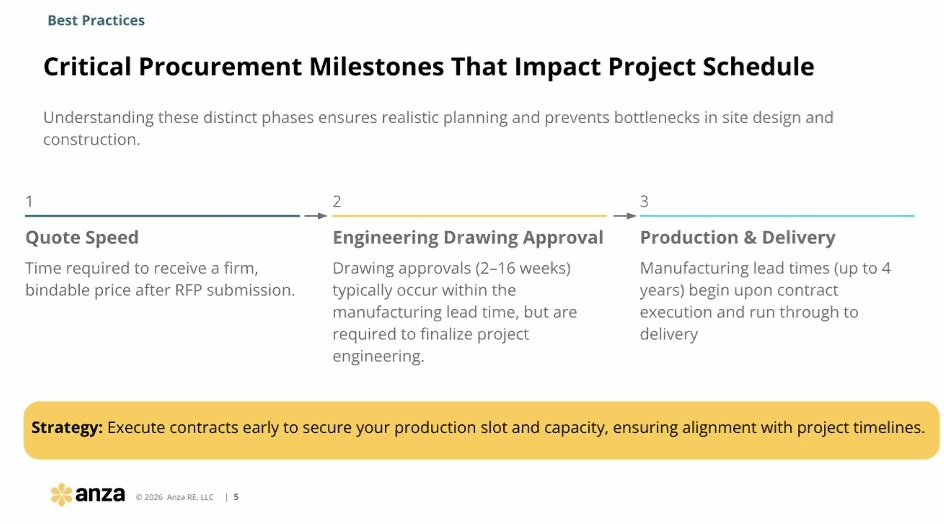
Lead times for solar components, utility approvals, and even home improvements are extending across the board. The best way to beat the bottleneck is to secure your place in the installation queue now.
Even if there is a delay on the utility side for a transformer upgrade, having your contracts signed and your equipment ordered minimizes your exposure to future price hikes and regulatory changes.
3. Invest in Battery Storage for True Independence
We cannot stress this enough: battery storage is the essential companion to solar in today’s volatile energy market. If your utility experiences a delay in upgrading your local transformer, a battery allows you to maximize the power generated by your panels right away, providing resilience and peace of mind.
To see the immediate and long-term financial benefits of pairing solar with energy efficiency improvements, use our easy tool:
Calculate your savings and Explore our solar services to find the perfect mix of solar, battery, and home efficiency upgrades for your property.
The Future of Resilient Energy is at Home
The challenges facing the distribution grid—from transformer shortages to complex regulatory compliance—underscore a fundamental truth: the future of reliable energy is decentralized and resilient. Homeowners who take control of their energy production and consumption are best positioned to navigate these industry headwinds.
While the industry, including platforms helping developers secure medium- and high-voltage transformers, is working hard to ease these bottlenecks, ProsperShield is focused on ensuring our residential clients are protected. Our national experience, reliable supply chains, and commitment to whole-home energy solutions mean we manage the complexity, so you can focus on the savings.
We have completed over 24,000 installations, helping homeowners achieve energy independence while maximizing financial incentives. Don't let global supply chain worries stop you from investing in your home's future.
If you have questions about your local utility’s interconnection process, current equipment lead times, or how battery storage can secure your home against grid instability, we’re here to help.
Call us at 877-317-9079 to speak with a ProsperShield energy expert today, or visit our About Us page to learn more about our commitment to quality and service.
Topics
Ready to Go Solar?
Get a free consultation and see how much you could save with ProsperShield solar.