
Navigating Solar Supply Chain Bottlenecks: A Homeowner’s Guide
The solar boom is real, but hidden supply chain issues—like the transformer shortage—can delay your installation. Learn how ProsperShield ensures your project stays on track and on budget.
ProsperShield Team
Solar Energy Experts
The Invisible Hurdle: How Supply Chain Bottlenecks Affect Your Solar Installation
If you’re a homeowner considering solar energy, you’re joining millions of Americans making a smart decision for their wallet and the planet. The growth in residential solar across the 42 states we serve at ProsperShield has been phenomenal. Yet, behind this booming market, there are complex, invisible hurdles that can impact your project timeline and cost—the biggest of which involves something called transformer procurement.
While this sounds like industry jargon, understanding the current supply chain challenges is crucial for selecting the right installation partner. A reputable company like ProsperShield doesn’t just install panels; we manage the complex logistics, procurement, and regulatory compliance necessary to ensure your solar journey is smooth, predictable, and fast.
Let’s pull back the curtain on the current transformer shortage and regulatory landscape, explaining why it matters to you, and how we keep your solar installation on track.
Why Does a Transformer Matter to My Home Solar System?
When you decide to go solar, you are essentially building a mini power plant on your roof. But your home doesn't exist in a vacuum; it needs to connect safely and reliably to the existing electrical grid. This is where the transformer comes in.
Think of the electrical grid as a massive highway system carrying electricity at very high voltage. That high voltage needs to be 'stepped down' to a lower, usable voltage before it enters your neighborhood and your home. The distribution transformer handles this critical conversion.
For solar homeowners, the transformer is essential for two reasons:
- Grid Connection: When your solar panels produce excess energy, that power is sent back onto the grid. The transformer is the gateway that allows your solar system to safely feed electricity back, ensuring you get credits (Net Metering) for the power you generate.
- System Safety and Reliability: A functional, properly specified transformer ensures the voltage levels are safe and stable for your home appliances and your solar inverter.
If the local utility cannot secure a new or replacement transformer—or if the existing one cannot handle the additional load of new solar systems in your area—your installation can be delayed indefinitely. This is why the current supply chain volatility is a major concern for the entire renewable energy sector.
The Anatomy of the Shortage: Four Key Drivers
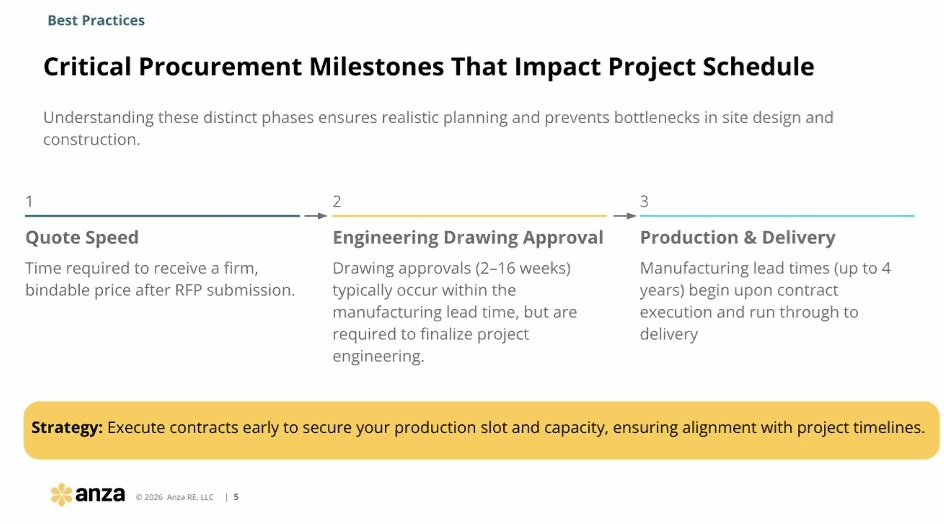
Since 2020, the availability of medium and high-voltage transformers has become increasingly scarce, leading to significant price increases and lead times stretching well over a year in some cases. According to reports from the National Renewable Energy Lab (NREL), this shortage is driven by a convergence of factors:
1. Raw Material Constraints
Transformers require specialized materials, primarily copper, steel, and highly specific electrical steel (grain-oriented electrical steel, or GOES). Global conflicts, pandemic-related shutdowns, and surging demand have driven the cost of these materials sky-high and created long production backlogs. If the core materials aren't available, the transformers can't be built.
2. Increased Demand from All Sides
It’s not just residential solar driving demand. The electrification of everything—from electric vehicles (EVs) and charging infrastructure to new data centers and massive utility-scale solar farms—requires exponentially more grid capacity and, therefore, more transformers. This competitive demand puts severe pressure on manufacturers.
3. Geopolitical and Regulatory Shifts (FEOC)
Perhaps the newest and most challenging factor for the industry is the introduction of strict federal regulations concerning equipment sourced from Foreign Entities of Concern (FEOC). These rules, designed to strengthen domestic manufacturing and supply security, impose critical deadlines on developers. Projects using equipment that falls under the FEOC category must meet specific completion deadlines (sometimes requiring physical work to be completed by the end of 2024, with a final compliance window extending into mid-2026 for others).
If a solar installation company relies on suppliers who cannot meet these new compliance standards or deadlines, it jeopardizes the project's ability to qualify for federal incentives (like the Investment Tax Credit, or ITC), which could mean higher costs for the homeowner.
4. Manufacturing Capacity and Import Reliance
Historically, the U.S. has relied heavily on imports for transformer components. Industry data suggests that imports account for a significant portion of the U.S. supply. Shifting manufacturing back to the U.S. takes time, capital, and specialized labor, meaning the bottleneck won't disappear overnight.
The Homeowner Impact: What Delays Mean for Your Savings
When you choose to go solar, timing is everything. Every month of delay is a month you are still paying full price to the utility company, missing out on potential savings, and exposing yourself to volatile rate hikes.
1. Extended Project Timelines
If your utility requires a grid upgrade involving a new or specialized transformer, and that transformer has a 12-to-18-month lead time, your project is stalled. An inexperienced installer might not discover this until deep into the permitting process, creating frustrating, unpredictable delays.
2. Price Volatility and Incentive Risk
Supply chain constraints lead to price increases. If a developer secures equipment at today's price but doesn't install it for 18 months, they might have to absorb cost increases or, worse, pass them on to you. Furthermore, failing to meet the federal solar ITC safe harbor deadline due to procurement issues means the project could miss out on valuable tax credits, eroding your return on investment (ROI).
3. Stress and Uncertainty
Waiting months for an installation with no clear update is stressful. Homeowners deserve clarity and a reliable partner who manages these logistical nightmares behind the scenes.
This is where the ProsperShield advantage comes into play.
How ProsperShield Shields Homeowners from Supply Chain Headaches
At ProsperShield, we recognize that our responsibility extends far beyond mounting panels on your roof. We act as your project manager, supply chain expert, and regulatory compliance specialist. With over 24,000 installations completed across 42 states, we have developed robust strategies to mitigate the risks associated with the transformer shortage and complex compliance rules.
1. Strategic, Bulk Procurement
Unlike smaller installers who order components on a project-by-project basis, ProsperShield utilizes its national scale to secure equipment in bulk. This includes not just panels and inverters, but also critical balance-of-system components and, crucially, managing relationships with suppliers who specialize in compliant, domestically sourced equipment.
By having forward contracts and pre-negotiated purchase agreements, we secure pricing and lead times well in advance, shielding you from sudden market fluctuations.
2. Pre-emptive Utility Coordination
Our expert team begins the utility interconnection review early in the process. We identify potential transformer or grid upgrade requirements immediately, allowing us to factor those lead times into your project estimate upfront. If a complex procurement process is required, we are already equipped to manage the necessary specifications (voltage ranges, capacity, efficiency requirements) to find compliant suppliers quickly.
3. Vetting for Compliance and Reliability
The new regulatory environment means that vetting suppliers for compliance (especially regarding FEOC rules) is paramount. We don't just look for the cheapest component; we look for equipment that meets the highest standards of performance, reliability, and regulatory compliance, ensuring your system qualifies for all available incentives and avoids long-term legal risk.
Actionable Tip: When interviewing solar companies, ask them specifically about their procurement strategy. Do they have inventory on hand? How do they handle potential utility delays related to grid upgrades or transformer shortages? A vague answer is a red flag.
If you are ready to start your solar project but are concerned about delays and supply chain risks, let our experienced team handle the logistics. Schedule a free consultation with a ProsperShield energy specialist today.
Maximizing Your Savings: Act Now to Secure Incentives
The pressure on the solar industry to procure equipment quickly isn't just about managing costs; it’s about meeting deadlines to lock in the current, generous federal incentives.
Understanding the Investment Tax Credit (ITC)
The federal Solar Investment Tax Credit (ITC) allows homeowners to deduct a significant percentage of the cost of installing a solar energy system from their federal taxes. Currently set at 30%, this is the single largest incentive available for most homeowners. However, the regulatory requirements for equipment sourcing (like the FEOC rules) are designed to ensure that the industry secures compliant components within set timeframes to maintain eligibility.
The takeaway for homeowners: The sooner you secure your contract and begin the installation process, the sooner you can safely 'safe harbor' your project under current incentive rules, protecting your significant savings.
Practical Steps to Ensure a Smooth Solar Installation Timeline
To ensure your project moves forward efficiently despite global solar supply chain bottlenecks, follow these three steps:
1. Get a Comprehensive Energy Audit First
Before installing solar, consider the entire energy ecosystem of your home. ProsperShield offers comprehensive home improvement services—including HVAC upgrades, roofing, and insulation—that drastically reduce your energy consumption before the panels go up. By improving your home's efficiency, you can potentially install a smaller, less expensive solar array, further mitigating risks associated with component shortages.
Explore our solar services and comprehensive energy audit options. Reducing demand is the first step toward true energy independence.
2. Pair Solar with Battery Storage
Battery storage has become a crucial tool for mitigating grid stress, and it offers immediate, tangible benefits to the homeowner, especially during periods of grid instability (like the Texas freeze or California heatwaves).
- Energy Resilience: Batteries provide backup power during outages, ensuring your home remains functional even if the grid is strained by high demand or infrastructure issues.
- Optimized Usage: Batteries allow you to store excess solar power generated during the day and use it at night, minimizing your reliance on the utility company when rates are highest.
By installing solar and battery storage simultaneously, you are future-proofing your home against both supply chain volatility and rising utility costs.
3. Partner with an Experienced, National Installer
In a market defined by complexity, experience matters. A company with national reach, like ProsperShield, has the resources to source equipment from multiple vetted suppliers globally and domestically, ensuring that if one supply route closes, another is available.
We manage the complexity of utility approvals, local permitting, and the intricate logistics of equipment delivery across 42 states. Our experience translating complex federal policy into predictable project timelines is what sets us apart.
Ready to find out exactly how much you can save? Use our instant online tool: Calculate your savings.
Looking Ahead: Building a Resilient Energy Future
The challenges posed by the transformer procurement bottleneck and evolving trade regulations are real, but they are also driving innovation. The industry is rapidly investing in domestic manufacturing capacity, which will ultimately create a more stable, reliable supply chain for future generations of solar homeowners.
In the meantime, homeowners need a partner who understands the current landscape and has the infrastructure to navigate it successfully.
At ProsperShield, we pride ourselves on providing transparency and handling the heavy lifting of logistics and compliance, allowing you to focus on the excitement of energy independence and savings.
If you have questions about current installation timelines in your area, or want to discuss how battery storage can enhance your resilience, don't hesitate to reach out.
Call us at 877-317-9079 to speak directly with an energy expert, or visit prospershield.io to learn more about our commitment to quality installation and customer satisfaction.
We look forward to helping you achieve a more efficient, resilient home.
Topics
Ready to Go Solar?
Get a free consultation and see how much you could save with ProsperShield solar.