

How the National Transformer Shortage Impacts Your Home Solar Installation
Unpacking the critical national transformer shortage. Learn how supply chain bottlenecks affect solar timelines, costs, and why energy storage is now essential for grid resilience.
Craig Stratton
Founder & CEO, ProsperShield
Navigating the Invisible Crisis: Why the Transformer Shortage Matters to Your Solar Dreams
If you are a homeowner considering solar energy, you’ve likely researched panel efficiency, battery storage options, and the amazing tax credits available under the Inflation Reduction Act (IRA). But there’s a quiet, complex challenge happening behind the scenes that impacts nearly every solar installation across America: the national transformer shortage.
At ProsperShield, serving homeowners across 42 US states, we believe transparency is key. While industry headlines often focus on massive utility-scale projects, the same supply chain bottlenecks that slow down those giants also trickle down to affect residential installations, specifically impacting costs, timelines, and the critical interconnection process.
This isn't just about waiting for a specific part; it's about the entire electrical grid infrastructure struggling to keep up with demand, regulatory changes, and persistent manufacturing constraints. We’re diving deep into what this shortage means for you, how it affects your pursuit of energy independence, and the steps you can take today to shield your home from these delays.
What Exactly is a Transformer, and Why Are We Running Out?
Before we discuss the impact, let’s simplify the hardware. When most people think of solar, they think of the panels on the roof. But getting the energy your panels produce into your home and back onto the utility grid requires specialized equipment, including transformers.
The Two Key Types of Transformers
- Power Transformers (High Voltage): These are the massive units used in substations to move electricity over long distances from generation plants (like solar farms) to communities.
- Distribution Transformers (Medium/Low Voltage): These are the green or gray boxes you see on utility poles or mounted on concrete pads in your neighborhood. They take the high-voltage electricity coming into your street and step it down to the lower voltage (usually 120V/240V) that your home appliances use. This is the type most relevant to residential interconnection.
The Perfect Storm of Shortages
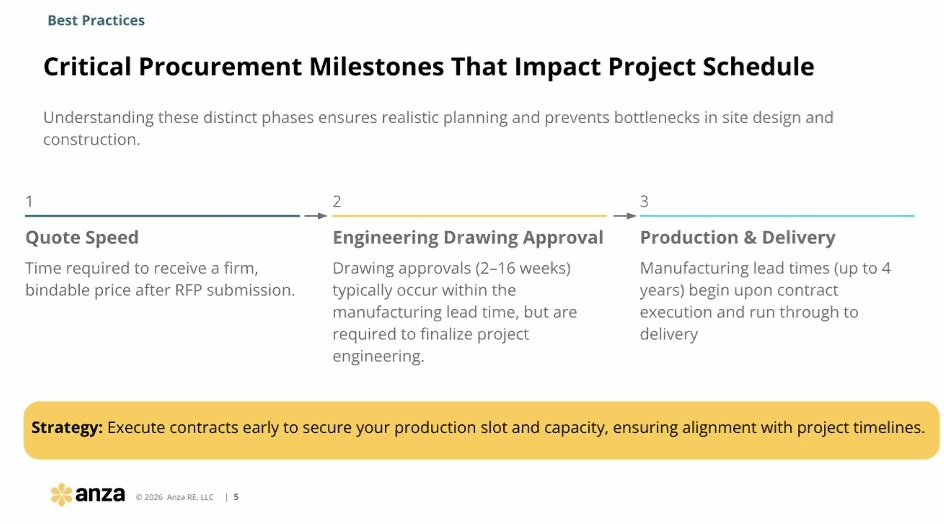
According to reports from the National Renewable Energy Lab (NREL), the current crisis is a result of several overlapping factors that have created a massive backlog, pushing lead times from months to well over a year for some specialized units:
- Raw Material Scarcity: Key components like specialized steel (grain-oriented electrical steel, or GOES) and copper have seen massive price spikes and limited availability due to pandemic disruptions and geopolitical tensions.
- Manufacturing Constraints: The US manufacturing base for transformers has struggled to scale quickly enough. Historically, the U.S. has relied heavily on imports. Wood Mackenzie data indicates that since 2019, imports accounted for an estimated 50% of the U.S. distribution transformer supply.
- Massive Demand Surge: The electrification movement—including the rapid growth of solar, electric vehicles (EVs), large data centers, and massive federal infrastructure projects—is placing unprecedented demand on a constrained supply chain.
- Aging Infrastructure: Many existing transformers are reaching the end of their 25-40 year lifespans and need replacement, compounding the demand for new units.
When utility companies can't procure the necessary distribution transformers, grid upgrades stall, and new solar interconnections—where your home ties into the grid—can face substantial delays.
The Domino Effect: How Supply Chain Bottlenecks Impact Home Solar Costs and Timelines
For homeowners, the transformer shortage translates into three primary pain points:
1. Interconnection Delays
Connecting your new solar system to the local utility grid is a multi-step process. If your neighborhood requires a grid upgrade (which is increasingly common as more homes adopt solar and EVs), the utility must install a new or upgraded distribution transformer.
If the utility doesn't have the transformer in stock, your final interconnection approval—the green light to turn your system on and start saving—can be delayed indefinitely. We’ve seen instances where homeowners wait months just for this final piece of utility infrastructure to be installed.
2. Rising Component Costs
As supply tightens, prices naturally increase. While residential solar panels and inverters have generally become more affordable over the last decade, the high cost of grid-level components eventually gets factored into the broader utility costs or, in some cases, passed directly onto the developer or homeowner through specific utility fees for upgrades.
3. The Urgency of Federal Deadlines
While the source article discusses complex regulatory deadlines affecting large developers (like the Foreign Entities of Concern, or FEOC, rules tied to the Investment Tax Credit), the practical takeaway for homeowners is simple: The industry is in a race against time.
Large developers are scrambling to secure domestic components to meet federal tax credit requirements. This frantic procurement tightens the market for all electrical components, making it crucial for residential installers to have robust, reliable supply lines.
The ProsperShield Advantage: Expertise in a Tight Market
In a supply-constrained environment, the installer you choose matters more than ever. A smaller or less experienced solar company might struggle to navigate these procurement challenges, leading to frustrating delays and unexpected costs for you.
At ProsperShield, we don’t just install solar; we manage the entire project lifecycle, from design and permitting to final interconnection. With over 24,000 installations completed across 42 US states, we leverage our scale and experience to mitigate supply chain risks for our customers.
Our Strategy for Supply Chain Resilience:
- Strategic Procurement: We maintain strong relationships with Tier 1 domestic and international suppliers for panels, inverters, and, critically, battery storage systems. This allows us to secure necessary components ahead of demand surges.
- Regulatory Navigation: Our internal teams specialize in navigating the complex web of federal tax credits and utility-specific interconnection rules, ensuring your project meets all compliance standards efficiently.
- Comprehensive Home Solutions: We offer a suite of home improvements—including HVAC, insulation, and roofing—alongside solar and battery solutions. By bundling these services, we optimize your home's energy efficiency first, often reducing the overall size (and complexity) of the solar system needed, thus streamlining the installation process.
Don't let market uncertainty derail your move to clean energy. Working with an established, nationwide expert ensures your project moves forward smoothly, regardless of external bottlenecks.
Schedule a free consultation with a ProsperShield energy specialist today to discuss a customized plan for your home.
Your Ultimate Shield Against Grid Instability: Battery Storage
The most powerful action a homeowner can take to bypass the risks associated with grid instability and transformer shortages is to incorporate battery storage into their solar installation.
While solar panels save you money, battery storage grants you true energy independence and grid resilience.
How Batteries Mitigate Transformer Risks
1. Bypassing Outages
If a distribution transformer fails (a risk that increases with aging infrastructure and intense summer heat waves), your entire street loses power. If you have solar panels but no battery, your system is legally required to shut down for safety (anti-islanding).
With a battery system (such as the Tesla Powerwall or Enphase IQ Battery), your home automatically disconnects from the grid during an outage and runs seamlessly on stored solar energy. You maintain power for essential loads (lights, refrigeration, medical devices) while the utility works to repair the damaged transformer.
2. Optimized Energy Use (Load Shifting)
Batteries allow you to store excess solar energy generated during the day and use it at night, minimizing your reliance on the utility grid during peak demand hours. This reduces strain on local transformers and maximizes your savings, especially if you live in a state with Time-of-Use (TOU) billing.
3. Maximizing the ITC
Energy storage systems installed alongside solar are eligible for the same generous federal incentives, including the 30% Investment Tax Credit (ITC), significantly reducing the upfront cost of achieving total energy security. Learn more about financing options here.
In an era defined by grid stress and supply chain delays, battery storage transforms your solar system from a simple money-saver into a robust, resilient power plant for your home.
Ready to see how much energy independence will cost? Calculate your savings using our interactive tool, or Call us at 877-317-9079 to speak with an expert.
Actionable Steps: Preparing Your Home for Solar in a Constrained Market
While the industry works through the transformer shortage, homeowners can take proactive steps to ensure their projects proceed as quickly and efficiently as possible.
1. Prioritize Energy Efficiency First
Before installing solar, maximize your home's efficiency. By installing high-efficiency HVAC systems and robust insulation (services ProsperShield specializes in), you reduce your overall energy consumption. A more efficient home requires a smaller solar system, which can simplify permitting and reduce the complexity of the interconnection application.
- Tip: Ask your ProsperShield consultant about a Home Energy Audit to identify the biggest energy drains.
2. Get Your Interconnection Paperwork in Early
The interconnection process is often the longest waiting period. Once you commit to solar, your installer should submit the necessary forms to the utility immediately. Choosing an installer with deep experience across multiple utility jurisdictions (like ProsperShield, operating in 42 states) ensures that the paperwork is accurate the first time, preventing avoidable delays.
3. Choose an Installer with Procurement Reliability
Ask potential installers about their supply chain strategy. Do they rely on just-in-time delivery, or do they warehouse critical components? Are they large enough to command reliable delivery schedules from major manufacturers? A trusted installer minimizes your exposure to market volatility.
4. Plan for Battery Storage from Day One
Even if you don't install a battery immediately, ensure your solar system design is battery-ready. This minimizes future costs and labor if you decide to add storage later. Given the increasing instability of the grid and the persistent supply challenges, we strongly advise integrating storage into your initial project scope to lock in the 30% federal tax credit.
5. Understand Your Local Utility's Requirements
Every utility handles interconnection differently. Some utilities are proactive in upgrading infrastructure, while others are severely bottlenecked. Understand the typical timeline in your specific service area, and maintain open communication with your ProsperShield Project Manager.
Conclusion: Securing Your Energy Future with Confidence
The national transformer shortage is a significant challenge, but it is not a reason to delay your transition to solar energy. Instead, it underscores the urgent need for energy independence and the wisdom of investing in home resilience measures like battery storage.
By partnering with an experienced, high-volume installer like ProsperShield, you gain an advocate who understands the complex regulatory landscape, manages procurement risk, and provides the whole-home solutions needed to thrive in today’s evolving energy market.
We have the experience—over 24,000 successful installations—and the scale to deliver reliable, high-quality solar and home improvement services nationwide.
Don't wait for the grid to catch up. Take control of your home's energy future now.
Explore our solar services and see how ProsperShield can build a resilient, efficient, and cost-saving system for you. Or, reach out directly to our team at 877-317-9079.
Further Resources:
Topics
Ready to Go Solar?
Get a free consultation and see how much you could save with ProsperShield solar.