

Whole-Home Surge Protection: Protect $50,000+ in Electronics for $300-$800
Lightning and power surges cause $2.6 billion in damage annually. Learn how whole-home surge protectors defend your electronics, solar panels, and HVAC systems from catastrophic failure.
Electrical Safety Team
ProsperShield Life Essentials Division
Whole-Home Surge Protection: Protect $50,000+ in Electronics for $300-$800
80% of power surges originate inside your home (IEEE). A single surge can destroy electronics, appliances, and solar equipment worth tens of thousands. Here's how to protect your investment.
What Causes Power Surges?
External Surges (20% of total)
- Lightning strikes (direct or nearby)
- Utility grid switching
- Transformer malfunctions
- Downed power lines
Internal Surges (80% of total)
- HVAC compressor cycling
- Refrigerator/freezer startup
- Power tool usage
- Faulty wiring
- Large appliance operation
Most surges are small (500-1,000V) but cumulative damage shortens electronics lifespan
What's At Risk?
Typical home electronics value:
HVAC system: $5,000-$15,000
Solar panels + inverter: $15,000-$25,000
Appliances: $3,000-$8,000
TVs + home theater: $2,000-$5,000
Computers + devices: $2,000-$5,000
Smart home + networking: $1,000-$3,000
Total at risk: $28,000-$61,000
Protection cost: $300-$800 Deductible on homeowner's insurance: $1,000-$2,500
ROI: Protects 35-200x its cost
Surge Protection Options
Point-of-Use (Power Strips)
Cost: $20-$80 per strip Protection: Single outlet or device cluster Joules rating: 500-4,000 joules
Pros: ✅ Inexpensive ✅ Portable ✅ Easy to install (plug-in)
Cons: ❌ Protects only connected devices ❌ Can't handle large surges (>6,000V) ❌ Doesn't protect hardwired appliances ❌ Need one per room (adds up)
Whole-Home Surge Protector
Cost: $300-$800 installed Protection: Entire electrical system Joules rating: 40,000-140,000 joules
Pros: ✅ Protects all circuits and devices ✅ Handles large surges (up to 50,000A) ✅ Protects hardwired appliances (HVAC, oven) ✅ One device = whole-home coverage
Cons: ❌ Requires professional installation ❌ Higher upfront cost ❌ Doesn't protect against direct lightning (rare)
Best practice: Whole-home + point-of-use for critical equipment
How Whole-Home Surge Protectors Work
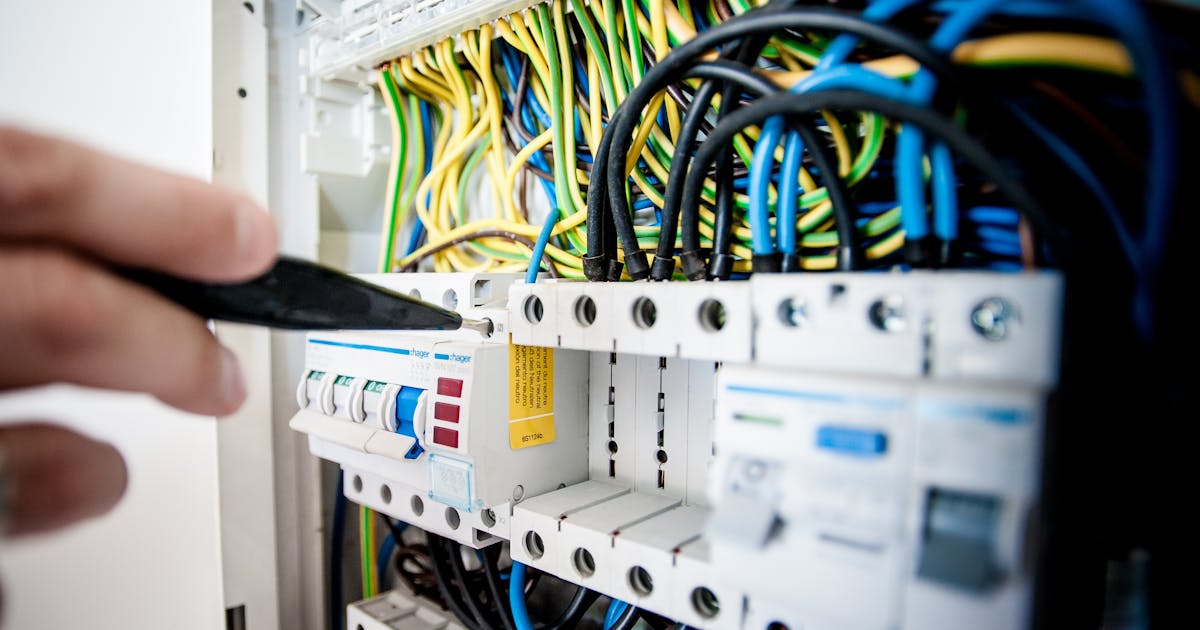
Installed at main electrical panel
- Monitors voltage continuously
- Detects surge (>120V nominal becomes >170V)
- Diverts excess voltage to ground wire in <1 nanosecond
- Clamps voltage to safe levels (140-150V)
- Resets after surge event
Protects all circuits: outlets, hardwired appliances, 240V equipment
Key Specifications
Clamping Voltage
Voltage level at which protection activates
- 140V: Most protective (premium units)
- 150V: Standard protection
- 175V: Minimum acceptable
Lower is better - activates sooner, better protection
Joule Rating
Total energy absorption capacity
- 20,000-40,000 joules: Basic protection
- 40,000-80,000 joules: Good protection
- 80,000-140,000+ joules: Premium protection
Higher is better - handles more/larger surges before replacement
Response Time
How fast protection activates
- <1 nanosecond: Excellent (modern units)
- 1-5 nanoseconds: Good
5 nanoseconds: Slow (outdated)
Faster is better - electronics damaged in picoseconds
UL 1449 Rating
Safety certification standard
- Type 1: Hardwired at main panel (recommended)
- Type 2: Branch circuit/meter base
- Type 3: Point-of-use (power strips)
Type 1 provides best whole-home protection
Top Whole-Home Models (2024)
1. Eaton CHSPT2ULTRA (Best Overall)
Price: $350 + $150-$250 installation Joules: 108,000 joules Clamping: 140V (excellent) Warranty: $100,000 connected equipment Features: LED status, replaceable modules
2. Siemens FS140 (Best Value)
Price: $280 + $150-$250 installation Joules: 140,000 joules Clamping: 150V (good) Warranty: $50,000 connected equipment Features: Diagnostic LEDs, compact design
3. Square D HEPD80 (Premium)
Price: $450 + $150-$250 installation Joules: 80,000 joules Clamping: 140V (excellent) Warranty: $75,000 connected equipment Features: Advanced diagnostics, indicator lights
Installation Requirements
Must be installed by licensed electrician
Installation process:
- Turn off main breaker
- Mount surge protector next to panel
- Connect hot, neutral, and ground wires
- Verify proper installation (voltage test)
- Turn on main breaker
- Test diagnostic indicators
Time: 1-2 hours Cost: $150-$250 labor
Special Considerations for Solar Homes
Solar systems are especially vulnerable:
- Inverters contain sensitive electronics ($5,000-$10,000 to replace)
- Panels can have microinverters ($200-$300 each × 20-30 panels)
- Battery systems ($8,000-$15,000) are surge-sensitive
Required protection:
- Whole-home surge protector (main panel)
- DC surge protector (between panels and inverter)
- AC surge protector (between inverter and panel)
Total cost: $500-$1,200 Protected value: $20,000-$40,000+ in solar equipment
Solar equipment manufacturers often require surge protection for warranty
Point-of-Use Backup Protection
Even with whole-home protection, add point-of-use for critical equipment:
Home office/computers:
- APC Back-UPS Pro 1500VA: $220
- Provides battery backup + surge protection
Home theater:
- Furman PST-8: $110
- Filters power + surge protection
Smart home hub:
- Tripp Lite Isobar: $70
- Isolated filter banks
Warranty and Insurance
Product warranties vary:
- Connected equipment coverage: $50,000-$250,000
- Lifetime warranty vs. limited (3-5 years)
- Replacement coverage vs. repair
Fine print:
- Requires proof of proper installation
- Must be registered within 30-90 days
- Limits on payout (often depreciated value)
Homeowner's insurance:
- May cover surge damage (check policy)
- Deductible typically $1,000-$2,500
- Premium may increase after claim
Protection plan is cheaper than deductible
Maintenance and Replacement
Whole-home surge protectors don't last forever
Check monthly:
- Status indicator lights (green = good, red = replace)
Replace when:
- Status light indicates failure
- After major surge event (nearby lightning)
- Unit is 5-10 years old (capacitors degrade)
Replacement cost: $300-$800 (same as new unit)
Units don't fail open - continue passing power but don't protect
Real-World Examples
Lightning strike 100 feet away (customer story):
Whole-home surge protector: $450 installed
Neighbor without protection:
  - HVAC compressor: $3,500
  - TV: $1,200
  - Computer: $1,500
  - Garage door opener: $400
  - Total damage: $6,600
Protection saved: $6,600 - $450 = $6,150
Internal surge from HVAC cycling (common):
Without protection:
  - Shortened lifespan of electronics (2-3 years early failure)
  - Estimated value: $2,000-$4,000 in premature replacements

With protection:
  - Full lifespan of electronics
  - $300-$800 investment
  - ROI: 250-1,000%
Our Recommendation
Every home should have:
Whole-home surge protector ($500-$800 installed)
- Type 1, 80,000+ joules
- 140-150V clamping
- Installed by licensed electrician
Point-of-use for sensitive equipment ($100-$300)
- Home office/computers
- Home theater systems
- Smart home hubs
Homes with solar must add:
- DC surge protector ($150-$300)
- AC surge protector ($150-$300)
Total investment: $800-$1,400 Total protected value: $30,000-$60,000+
Combine with Electrical Panel Upgrade
If you need 200A electrical service anyway:
- Panel upgrade: $1,500-$3,000
- Add surge protector: +$300-$500
- Combined installation saves $100-$200 on labor
Perfect time to add surge protection:
- During solar installation
- HVAC replacement (requires dedicated circuit)
- Home renovation
- EV charger installation
Call 877-317-9079 for surge protection installation and electrical assessment.
Pricing based on 2024 national averages for standard 200A residential panels.
Topics
Ready to Go Solar?
Get a free consultation and see how much you could save with ProsperShield solar.